Maze
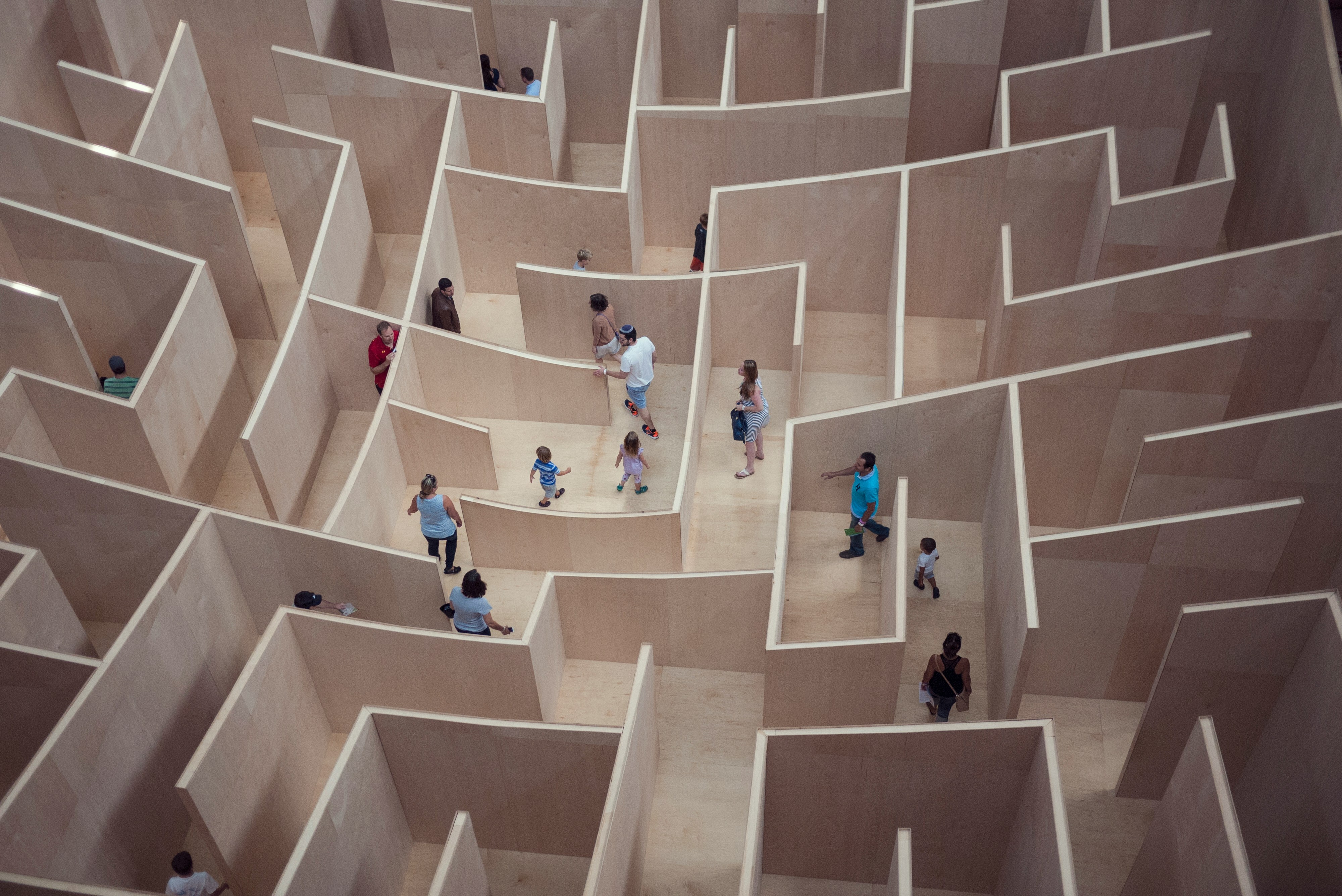 Photo by Susan Q Yin
GPT-3 was a flop. It could create some text that looked like a human wrote it. But when OpenAI started trying to turn it into a business, nothing worked.
From a talk Sam did at Stanford:
It was a cool demo, but we couldn’t figure out a product to build around it. And we had been thinking, thinking we just couldn’t do it. We had tried a few things, they hadn’t worked.
So they gave up trying. They just hoped someone else could figure out what to do with it and put it behind an API.
Again, crickets.
But a month later. It started getting attention on Twitter.
Still, it wasn’t good. Traction wasn’t where it needed to be, and the results were still poor. Sam:
The API is not working great
They noticed though that people were trying to chat with it a lot using the API. Combining that with their new 3.5 version, maybe this would make a great chat demo to drum up more API usage. But we all know what happened next.
ChatGPT became something else entirely.
I just read Why Greatness Cannot Be Planned by Kenneth Stanley and Joel Lehman.
Stanley and Lehman are AI researchers who found an interesting conundrum when trying to evolve a neural network. If you have an AI with a simple objective like “get closer to the exit”, and put it in a maze, the AI easily gets stuck. The right move, going backwards from the exit to find a way around a wall, looks entirely wrong.
And we live in a maze.
How’s this look for a smart person’s plan to build their next business:
- Finish some interesting demo but fail to find a product for it.
- Launch an API that nobody uses.
- Sit there for a month getting nothing.
- Watch nearly every business built on it fail.
- Notice developers are screwing around with it. But making nothing that good.
- Build yet another throwaway demo hoping it convinces people to pay attention to the dead API.
- Accidentally create a trillion dollar company.
Of course no one has a deck like that. But that’s how OpenAI flailed about in their maze.
When we look back, sure it looks like they took a brilliant path. But to them in it, it was constant dead ends.
Lots of mazes have a stupidly simple algorithm. Put one hand on a wall. Never take your hand off. And just keep moving. Eventually, you’ll reach the exit.
You’ll of course hit dead end after dead end. It likely won’t be the optimal path. You might even see the exit nearby and still go completely in the wrong direction from it. You’ll look like an idiot to the people who are like “clearly that isn’t the way to go. can’t you see it’s a dead end over there!?” You might even encounter a crowd of people who tell you they’ve tried a path already, it’s not right, don’t go that way, and you do it anyways.
In real life, what’s the wall to put your hand on? Anything that gets you outside your head actually feeling around for lessons. Your product in other people’s hands. Talking to people. Contact with reality. Keep one hand on reality and keep moving.
Steve Jobs had an observation during his commencement speech at Stanford:
You can’t connect the dots looking forward; you can only connect them looking backwards.
That’s a maze. You can’t see a path just looking forward. Looking back sure. Maybe you even luckily breezed through it. You can definitely see the wrong things you did. But when you were going forward? Just walls.
P.S. You should follow me: here.